Bass: A Fishmonger's Guide
Wild South Coast bass and farmed bass from Greece and Turkey: origin, season, sustainability, and the proper way to cook it
Also known as: Sea bass, European sea bass, branzino, loup de mer
When Is Bass In Season?
Wild UK bass is closed to commercial fishing during February and March to protect spawning stocks. The best wild fish come inshore from late spring, peaking through summer and autumn. Farmed bass is available year-round.
Please note that all wild-caught fish is always subject to availability, catches and weather conditions.
What Is Bass?
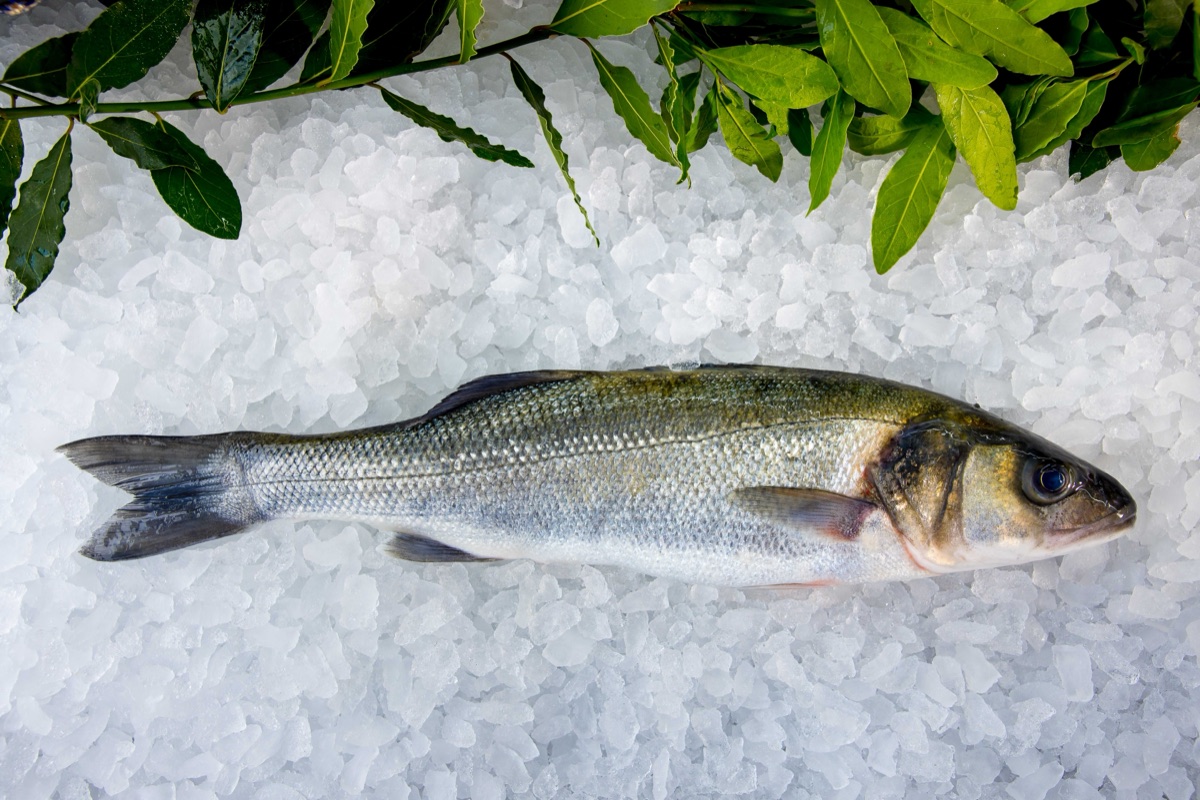
European bass (Dicentrarchus labrax) is the silver, sleek predator fish you’ll find prowling rocky coastlines from the Atlantic down through the Mediterranean. In the UK it’s the star of summer fishing trips and one of the most-requested fish at any decent fishmonger’s counter. The Italians call it branzino. The French call it loup de mer, the wolf of the sea. Both are accurate.
It’s a firm, lean white fish with a delicate, slightly sweet flavour and skin that crisps up to perfection in a hot pan. A wild bass is hard to beat on the plate. A farmed bass, cooked properly, is still a very fine dinner.
Where Our Bass Comes From
Wild bass comes from local day-boats working out of Poole, Lymington, Weymouth, and other South Coast ports. These are single-line catches, the only way wild bass can be legally commercially fished in UK waters. The fish is on our counter the morning after it’s landed.
Farmed bass comes from well-managed farms in Greece or Turkey, where the fish are grown in pens in clean coastal waters. The best farmed bass is barely distinguishable from wild on the plate, and a fraction of the cost.
We don’t sell pair-trawled bass. The trawl method damages spawning stocks and the welfare credentials don’t hold up.
The Best Time to Buy Bass
The wild bass season runs roughly April through January for UK fish, with summer and autumn the best of it. There’s a statutory closed season in February and March to protect spawning, and we honour it.
Autumn (September to November) is typically the peak. Bass are at their fattest before winter, the flesh is at its best. Winter bass is still excellent if the weather lets the boats out.
Farmed bass is available year-round at consistent quality, which makes it the practical choice for everyday cooking.
How To Cook Bass
Bass is the fish you give to someone who claims they “don’t really like fish.” It’s mild enough not to scare anyone, the texture is forgiving, and a properly crispy skin sells it instantly.
Pan-fried whole fillet with crispy skin: The default and the best. Score the skin, salt it, pat it absolutely dry. Hot pan, neutral oil, skin-side down for 4 minutes. Don’t touch it. Flip for 1 minute. Done.
Baked whole: Stuff the cavity with lemon, garlic, herbs (dill, thyme, parsley). 200°C for 20-25 minutes depending on size. Salt-baking a whole bass under a salt crust is an even better trick: entirely sealed in salt, baked solid, cracked open at the table.
Grilled over charcoal: Whole, scored a few times each side, a brush of oil. The skin gets that smoky char that you can’t replicate indoors.
Steamed Chinese-style: Whole fish on a plate with ginger, spring onion, soy and a splash of hot sesame oil at the end. 8-10 minutes in a steamer. Light, fragrant, dinner-party impressive.
Ceviche or tartare: Wild bass is firm enough to eat raw if it’s properly fresh. Diced, dressed with lime, chilli, coriander.
Buying Tips From The Counter
- Look at the eyes. Bright and clear means fresh. Cloudy or sunken means tired.
- Press the flesh. Should bounce back firmly. Soft means it’s been on ice too long.
- Wild over farmed when you can afford it. But don’t snub farmed: good Mediterranean bass is excellent.
- Buy whole if you can. Easier to assess freshness, better value, more flexible to cook.
Bass From Parkstone Fisheries
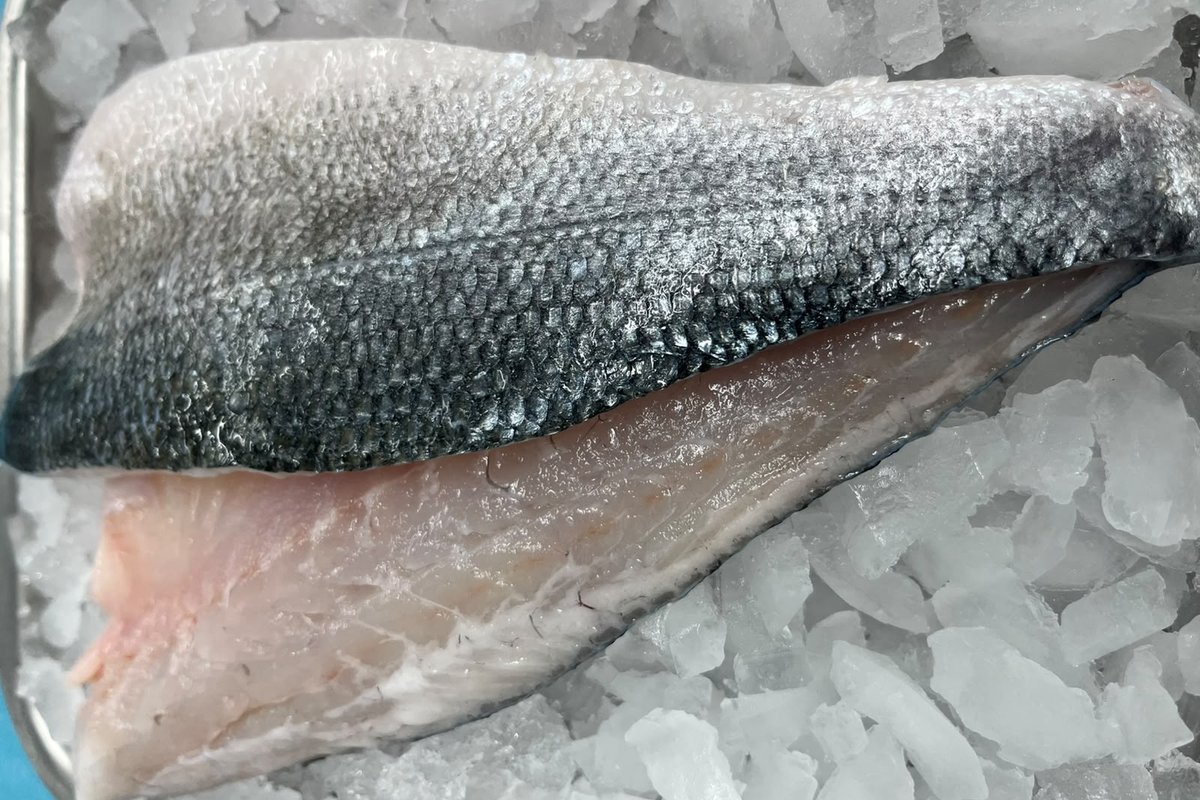
Whole wild bass (we sell it whole and fillet it for you, so nothing is cut until you order it) or farmed bass, which comes whole or ready-filleted. Want it scored, pin-boned, skinned, head off? Just say. Free delivery across all BH postcodes, £40 minimum order.
From Our Counter
Buy Bass From Parkstone Fisheries
Fresh, prepared to your specification, and delivered across all BH postcodes by refrigerated vehicle.
Bass: Frequently Asked Questions
Wild or farmed bass: which is better?
Wild day-boat bass from the South Coast is the best fish you'll eat all year: firmer flesh, deeper flavour, a real treat. But it's expensive and limited. Good farmed bass (Greece, Turkey) is what most people should buy day-to-day. It's roughly half the price, consistent quality, and entirely respectable cooked properly.
When is bass in season?
Wild UK bass is closed to commercial fishing during February and March to protect spawning fish. Wild bass come inshore on the south coast from late spring, with summer and autumn the peak: the fish are at their fattest before winter. Farmed bass is available year-round.
How do I get crispy skin on bass?
Three things: dry the skin completely with kitchen paper, score it with a sharp knife in 3-4 places, and start in a properly hot pan. Skin-side down, don't move it for 4 minutes. The fish releases itself when it's ready. If it sticks, it's not done.
Is bass a sustainable fish?
Wild UK bass is sustainable when line-caught with a proper bag limit, which is the only way it can legally be commercially fished in UK waters since 2015. Farmed bass from well-run Greek and Turkish farms is also a reasonable choice. We don't sell pair-trawled wild bass.
Explore More Species
Plaice
The orange-spotted flat fish of the Channel: delicate, sweet, and beautifully simple to cook
Read guide →Lemon Sole
Not actually a sole, but one of the loveliest flat fish in the Channel: delicate, sweet, and perfect for a quick supper
Read guide →Cod
Britain's favourite white fish, broken down properly: origin, season, sustainability, and how to cook it well at home
Read guide →Poole's Fishmonger Since the 1920s
Order Fresh Fish Today
Browse our shop online, call us on 01202 747661, or visit us at 12 Bournemouth Road, Poole.