Lemon Sole: A Fishmonger's Guide
Not actually a sole, but one of the loveliest flat fish in the Channel: delicate, sweet, and perfect for a quick supper
Also known as: lemon dab, Mary sole
When Is Lemon Sole In Season?
Best from late spring through to year-end. Spawning runs through spring, so the fish is at its worst from March to early May.
Please note that all wild-caught fish is always subject to availability, catches and weather conditions.
What Is Lemon Sole?
Lemon sole (Microstomus kitt) is one of those fish that confuses everyone. It’s called a sole. It isn’t really a sole. It tastes a bit like a sole. It costs about a tenth of what proper Dover sole costs. And, quietly, it’s one of the most rewarding fish you can put in a pan.
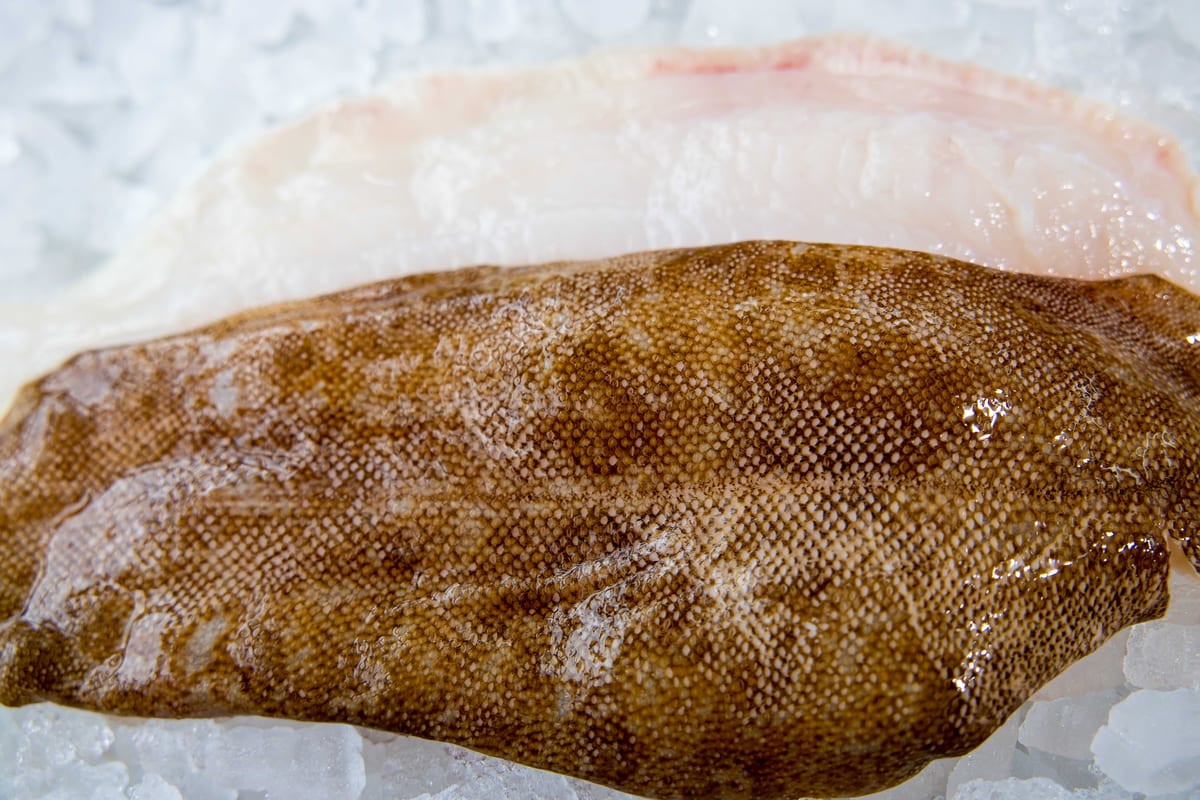
It’s a flat fish, similar in shape to plaice but with smoother, yellower-brown skin (no orange spots). Soft, fine-flaked flesh. A sweet, delicate flavour that’s slightly more pronounced than plaice. The size is convenient too: a whole lemon sole is dinner for one, plated up with butter, lemon, and capers.
Where Our Lemon Sole Comes From
Channel day-boats whenever possible. South Coast lemon sole grounds are productive year-round and the fish doesn’t have to travel. From boat to counter is sometimes less than 24 hours. We also source from North Sea fisheries when local supply is short.
Look for line- or small-net-caught fish. Beam-trawled lemon sole is often damaged on landing, the welfare credentials are worse, and the smaller boats produce better-quality fillets every time.
The Best Time to Buy Lemon Sole
The fish spawns in early spring, and during March and April the flesh is thin and watery; avoid then. The proper season runs May through to December, with summer and autumn at the peak.
A late-summer lemon sole is one of the more underrated meals in British cooking. Cheap, available, beautifully simple to cook, and absolutely lovely on the plate.
How To Cook Lemon Sole
The whole fish is the way. Lemon sole is the right size for one portion (roughly 300-400g) and the bone adds flavour through cooking.
Pan-fried whole, meunière style: The classic. Dust in seasoned flour, fry in foaming butter for 3-4 minutes each side. Finish with capers, lemon juice, parsley, brown butter from the pan. Lift the fillets off the bone with a spoon at the table.
Grilled whole: Slash the skin diagonally a few times. Brush with butter. 4-5 minutes under a hot grill. The skin crisps, the flesh inside stays moist.
Pan-fried fillets: Plain flour dusting, butter, 90 seconds each side. They cook fast. Resist the urge to over-cook. Lemon sole goes from perfect to chalky in seconds.
Steamed: Whole fish over aromatics for 8 minutes. Light, elegant, the natural sweetness of the fish comes through.
Goujons: Strips of fillet, lightly breaded, fried briefly. Lemon sole goujons are noticeably better than plaice goujons: more flavour.
Buying Tips From The Counter
- Buy whole. Better value, better quality, more flavour, more enjoyable to eat.
- Look at the skin. Yellow-brown with a wet sheen. Dull, dry skin = old fish.
- One whole fish per person is the rough rule (300-400g).
- Avoid spring. March and April are post-spawning and the fish is poor.
Lemon Sole From Parkstone Fisheries
Whole fresh lemon sole and lemon sole fillets, prepared to order at the counter. Want them skinned, gutted, head off? Just say. Free delivery across all BH postcodes, £40 minimum order.
From Our Counter
Buy Lemon Sole From Parkstone Fisheries
Fresh, prepared to your specification, and delivered across all BH postcodes by refrigerated vehicle.
Lemon Sole: Frequently Asked Questions
Is lemon sole the same as Dover sole?
No. They're different species and rather different on the plate. Dover sole (*Solea solea*) is the celebrated luxury flat fish with the firmest flesh and the highest price tag. Lemon sole (*Microstomus kitt*) is actually closer to plaice: a softer, sweeter, more delicate fish. Lemon sole is a fraction of the price and arguably the more interesting fish for a home cook.
Why is it called lemon sole if it isn't a sole?
Genuine mystery. There's nothing especially lemony about it, and it isn't really a sole. The name probably comes from the French *limande* (dab), which it does resemble. Whatever the etymology, the fish itself is one of the best-kept secrets in UK waters.
How do I know lemon sole is fresh?
Look at the skin. Yellow-brown with a slight sheen, and the colour should look 'wet' not dull. The eyes should be glassy and clear. Press the flesh on the white underside: it should bounce back. A fresh whole lemon sole has a clean, sweet sea-smell, never fishy.
Whole or filleted?
Whole, every time, if you can manage it. The fish is the right size for one person, the bone gives the flesh flavour during cooking, and the whole-fish theatre at the table is half the pleasure. We'll fillet for you at the counter if you'd rather, but consider going whole.
Explore More Species
Plaice
The orange-spotted flat fish of the Channel: delicate, sweet, and beautifully simple to cook
Read guide →Bass
Wild South Coast bass and farmed bass from Greece and Turkey: origin, season, sustainability, and the proper way to cook it
Read guide →Haddock
Fresh haddock, smoked haddock, and why some of us prefer it to cod: origin, season, and the proper way to cook both
Read guide →Poole's Fishmonger Since the 1920s
Order Fresh Fish Today
Browse our shop online, call us on 01202 747661, or visit us at 12 Bournemouth Road, Poole.