Mackerel: A Fishmonger's Guide
Local, sustainable, and one of the best-value fish you can buy: origin, season, and how to cook a proper mackerel
Also known as: Atlantic mackerel
When Is Mackerel In Season?
Mackerel is a summer fish. Local boats fish for it from late spring through to early autumn; outside that window it's worth waiting.
Please note that all wild-caught fish is always subject to availability, catches and weather conditions.
What Is Mackerel?
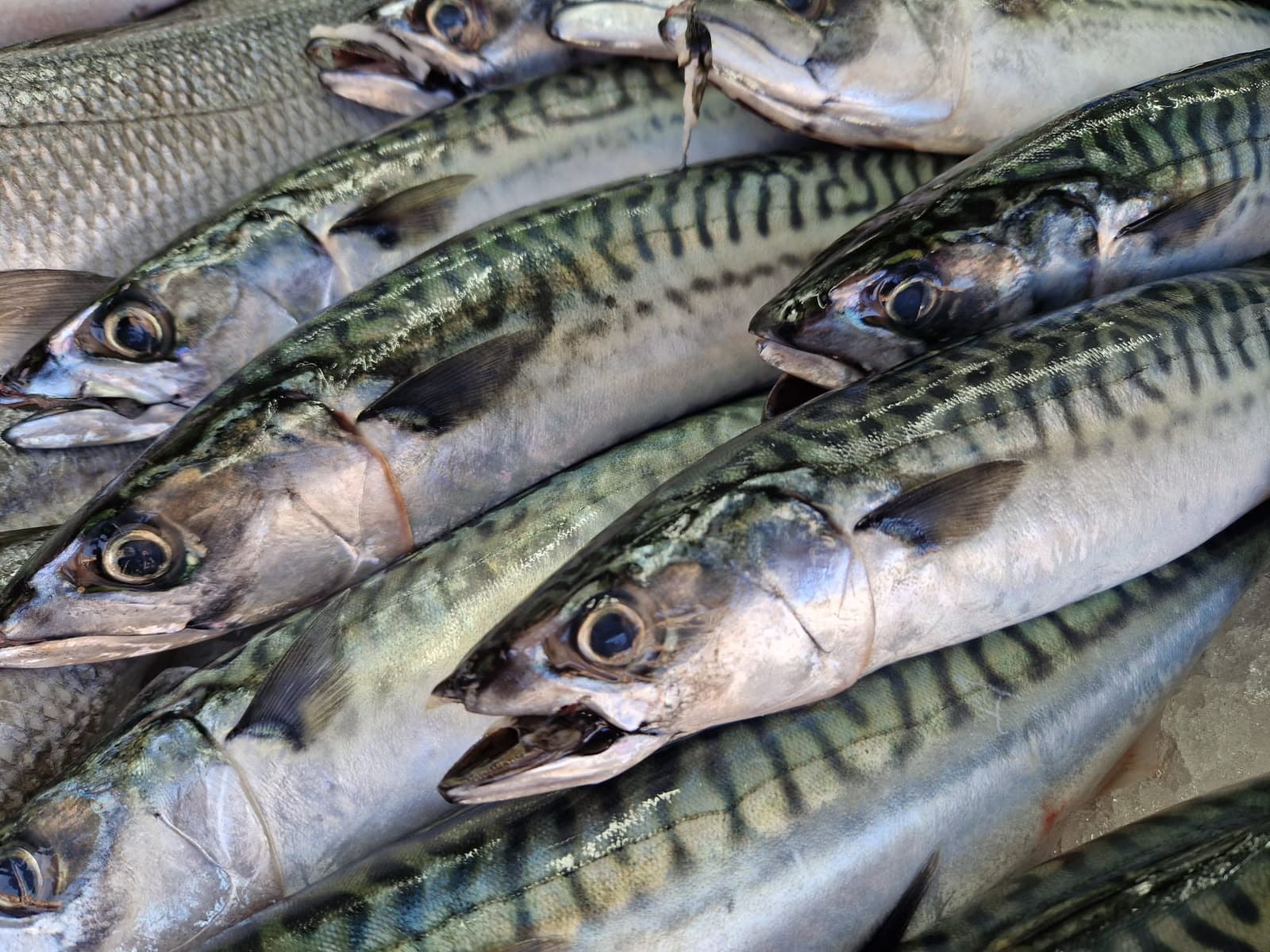
Mackerel (Scomber scombrus) is the brilliant blue-and-green striped fish you see flashing through summer shoals along the South Coast. It’s an oily, fast-moving pelagic fish that travels in huge schools, feeding on smaller fish and plankton. Iridescent when it’s just out of the water, mackerel is also the fish that loses its looks fastest. Within a day or two, the dazzling skin colours start to dull.
It’s packed with omega-3, it’s local, it’s sustainable, and pound for pound it’s one of the best-value fish you can buy. The only catch: you have to eat it fresh.
Where Our Mackerel Comes From
Local day-boats. From late spring through to early autumn, mackerel are landed at Poole, Lymington, Weymouth, and other South Coast ports. Many are caught on hand-lines, the most sustainable possible method. We buy from boats that come straight to the wharf with the morning’s catch. Outside the local season we also get mackerel from the Shetland Islands.
We won’t sell pelagic-trawled mackerel. The trawl method takes too many fish at once and damages the wider ecosystem. Hand-line and small-net catches only.
The Best Time to Buy Mackerel
May through October. That’s the window. Local mackerel runs as the water warms up, peaks in July and August, and tails off as autumn cools. Outside that season, the fresh mackerel you’ll see has come from further away, usually frozen or from longer supply chains.
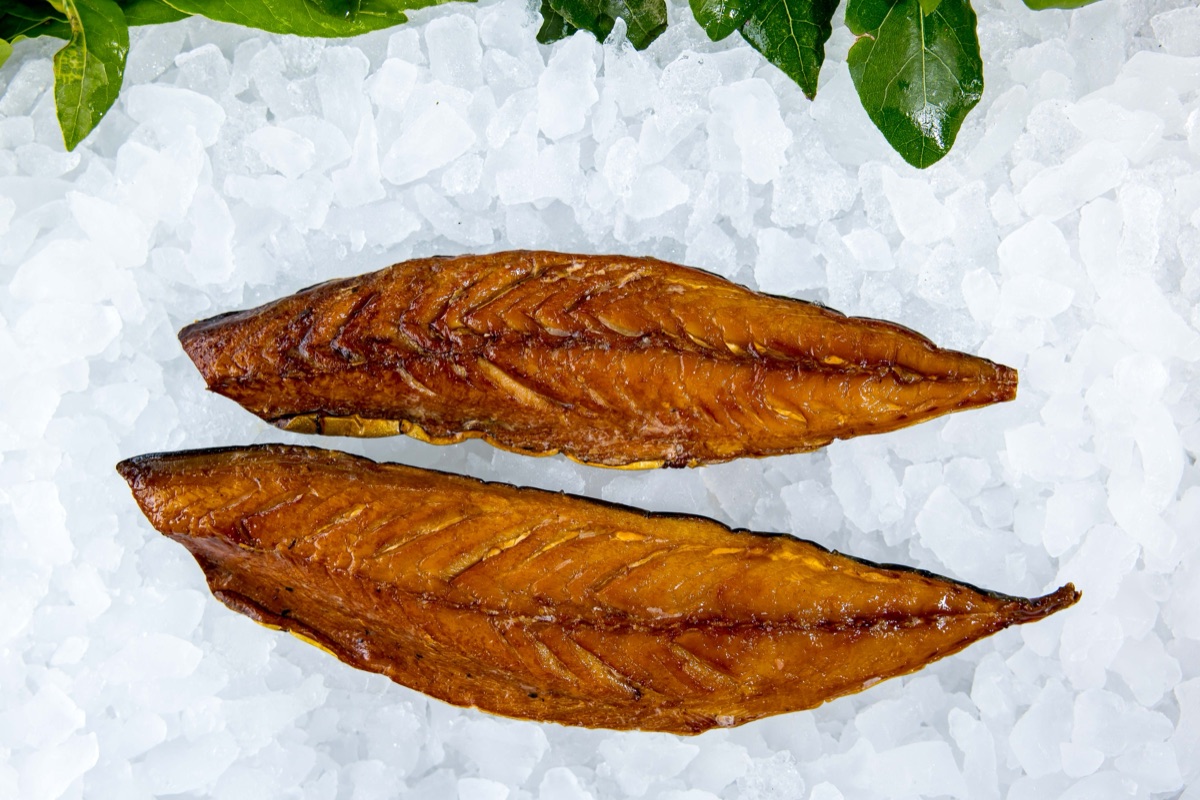
If you want to eat mackerel year-round, smoked mackerel keeps for weeks and is brilliant: peppered, plain, hot-smoked. Same fish, different format.
How To Cook Mackerel
The cardinal rule with mackerel: fast and hot. The flesh is rich, oily, and full-flavoured, which means you want a cooking method that adds char or acid (or both) to cut through.
Grilled or BBQ’d whole: The classic. Score the sides, salt the cavity, brush with oil, char over high heat for 3-4 minutes a side. The skin blisters, the flesh cooks through, the smoke marries with the oil. Lemon and parsley at the end.
Pan-fried fillet: Skin-side down in a hot, dry pan (mackerel skin produces its own oil). 3 minutes, flip for 30 seconds. Salt, lemon, done. Don’t add fat.
Hot-smoked: A stove-top smoker, woodchips, fillets, 8-10 minutes. The result keeps in the fridge for days and works in salads, on toast with horseradish, flaked into pasta.
Pickled (escabeche): Fillets quick-fried, then bathed in a vinegar-and-aromatics marinade. Keeps for a week, brilliant tapas.
Raw, as sashimi: Only with the freshest fish, briefly cured with salt or vinegar. The Japanese treat it as a delicacy.
Buying Tips From The Counter
- Colour is everything. Vivid, shimmering, iridescent: buy it. Dull, grey, faded: don’t.
- Buy whole, not filleted. Fillets age faster and you can’t see the eyes or the skin clearly. Whole fish tell you the truth.
- Eat it the same day if you can. Mackerel doesn’t keep. The reward for eating it fresh is enormous; the penalty for eating it stale is worse than any other common fish.
- Cheap is a feature, not a bug. The same fish at three times the price in a restaurant is the same fish.
Mackerel From Parkstone Fisheries
Whole fresh mackerel when local boats are landing, usually May through October. Plus naturally smoked mackerel fillets year-round, and smoked mackerel pâté from the counter. Free delivery across all BH postcodes, £40 minimum order.
From Our Counter
Buy Mackerel From Parkstone Fisheries
Fresh, prepared to your specification, and delivered across all BH postcodes by refrigerated vehicle.
Mackerel: Frequently Asked Questions
When is mackerel in season in the UK?
Mackerel is a summer fish in UK waters. May through October is the proper season. Local boats out of Poole, Lymington, and the South Coast are catching them daily through that window. Outside the season, frozen or smoked mackerel is the way to go.
How do I know if mackerel is fresh?
Fresh mackerel is one of the easiest fish to assess. The skin should be vividly iridescent: blue, green, and silver shimmering like a jewel. As it ages, the colours dull. The eyes should be glassy and clear, the flesh firm, the smell clean and sea-like. Tired mackerel goes soft and grey fast; it's the most perishable common fish.
Is mackerel good for you?
It's one of the healthiest fish you can eat. Mackerel is loaded with omega-3 fatty acids, more than salmon, gram for gram. It's also rich in vitamin D, B12, and selenium. Oily fish like mackerel are linked to heart health and brain function, and the NHS recommends one portion a week.
Why is mackerel sometimes considered cheap?
Because it's plentiful and local. UK mackerel is one of the most sustainable, abundant, and quickest-to-land fish in our waters, which keeps the price low. That doesn't mean it's lesser. A fresh mackerel grilled with lemon is one of the great pleasures of summer eating.
Explore More Species
Bass
Wild South Coast bass and farmed bass from Greece and Turkey: origin, season, sustainability, and the proper way to cook it
Read guide →Cod
Britain's favourite white fish, broken down properly: origin, season, sustainability, and how to cook it well at home
Read guide →Salmon
From Loch Duart's salmon farms in the Highlands to wild Atlantic salmon: origin, season, sustainability, and how to cook it right
Read guide →Poole's Fishmonger Since the 1920s
Order Fresh Fish Today
Browse our shop online, call us on 01202 747661, or visit us at 12 Bournemouth Road, Poole.