Salmon: A Fishmonger's Guide
From Loch Duart's salmon farms in the Highlands to wild Atlantic salmon: origin, season, sustainability, and how to cook it right
Also known as: Atlantic salmon, Scottish salmon
When Is Salmon In Season?
Farmed salmon is available year-round at consistent quality. Wild Atlantic salmon is rare, expensive, and only legally caught June-August in a few river systems.
Please note that all wild-caught fish is always subject to availability, catches and weather conditions.
What Is Salmon?
Atlantic salmon (Salmo salar) is one of the most recognisable fish on the planet: pink-fleshed, oily, rich in omega-3, and the foundation of countless cuisines from Scottish smoke houses to Japanese sushi counters. It’s a migratory fish that spawns in fresh water and matures at sea, though almost all the salmon you’ll eat today is farmed.
Wild Atlantic salmon stocks have collapsed across most of their historic range. What’s sold as “wild salmon” in UK supermarkets is usually wild Pacific salmon (sockeye, king, coho) flown in from Alaska. True wild Atlantic salmon is now a tiny luxury market with strict quotas: interesting if you can get it, but not what most people are eating.
Where Our Salmon Comes From
Our salmon comes from Scotland (Loch Duart) and Norway. Loch Duart is a small-scale Scottish farm based around the Hebrides and the north-west Highlands. They’re famous in the trade for two things: low stocking density (their pens are roughly half as crowded as industrial farms) and fallow rotation (they let their sites recover between cycles, which industrial farms rarely do).
The result is a fish that’s grown slower, swims more, and develops firmer flesh and a deeper colour. It’s RSPCA Assured. It’s what Michelin-starred kitchens buy. And it costs a bit more than standard farmed salmon, but you taste the difference immediately.
The Best Time to Buy Salmon
Farmed salmon is consistent year-round, which is one of the practical reasons it dominates the market. There’s no off-season for Loch Duart. Quality is the same in January as it is in July.
Wild Atlantic salmon has a narrow legal season (broadly June through August in Scottish rivers, with strict catch-and-release rules in many systems). If you see fresh wild Atlantic salmon at a counter outside that window, ask hard questions.
Wild Pacific salmon runs in waves: king (May-July), sockeye (June-September), coho (August-October). Most arrives in the UK frozen.
How To Cook Salmon
Salmon is oily, which means it forgives a slightly heavier hand than cod or bass, but it does dry out if you push it too far. The aim is always just done, with the centre still slightly translucent.
Pan-fried with crispy skin: The classic. Salt the skin generously and pat it dry. Hot pan, neutral oil, skin-side down for 4 minutes (don’t touch it). Flip for 1-2 minutes. The skin should shatter when you tap it.
Baked: 180°C for 12-15 minutes depending on thickness. Butter, lemon, dill or fennel. Cover the fish loosely with foil if you want it gentler.
Whole roasted: A whole side of salmon, slow-roasted at 120°C for 25-30 minutes, is one of the easiest ways to feed a crowd. Almost impossible to overcook at that temperature.
Poached: Court-bouillon (water, white wine, vegetables, peppercorns) at a bare simmer for 8-10 minutes. Brilliant served cold with cucumber and dill.
Raw: Sashimi or tartare. Only if you trust the source. Our Loch Duart salmon is fresh enough to eat raw, but we recommend freezing it at -20°C for 24 hours first to be safe.
Cured (gravadlax): 48 hours under salt, sugar, dill and a splash of gin. Practically foolproof, and miles better than anything you’ll buy in a packet.
Buying Tips From The Counter
- Look for deep colour, not pale. Pale farmed salmon has been grown fast and cheap. Loch Duart’s natural pink comes from a proper diet.
- Ask for the thick end. The shoulder cut is the prime: fattier, richer, more even thickness for cooking.
- Buy with skin on. It protects the flesh in the pan and crisps up beautifully. Even if you don’t eat it, cook with it.
Salmon From Parkstone Fisheries
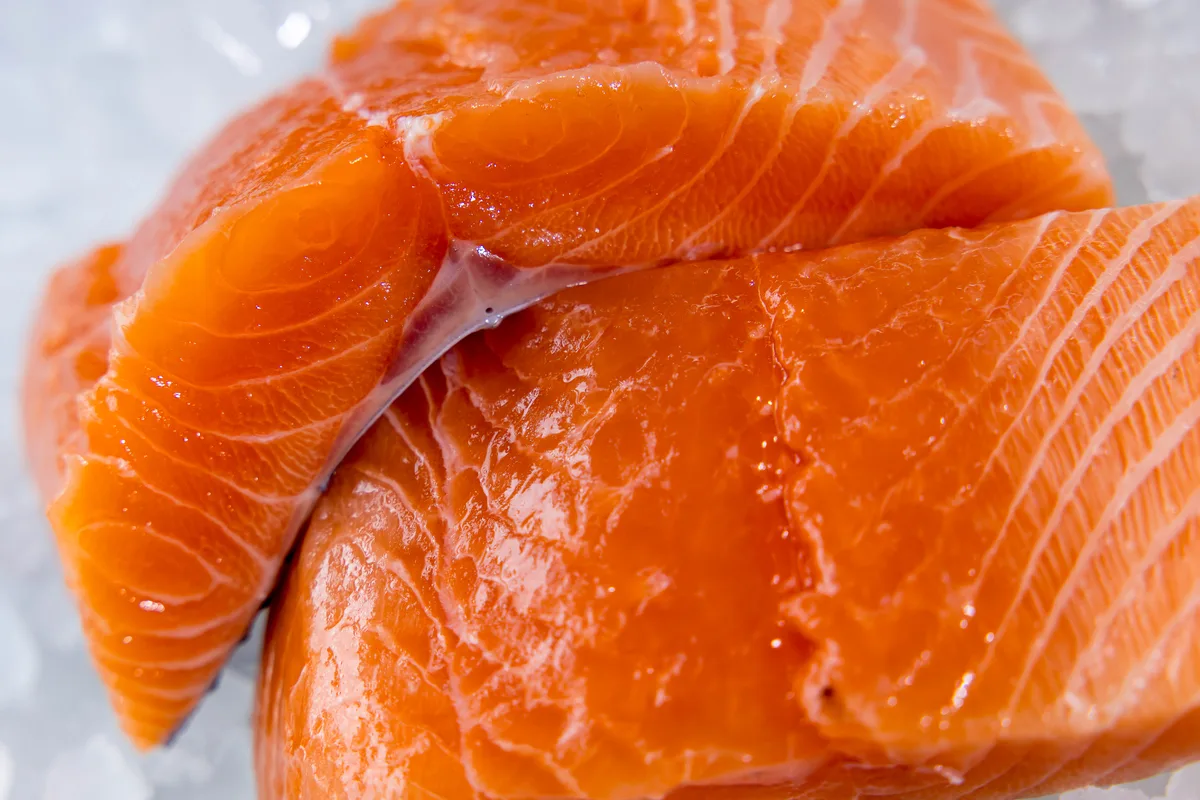
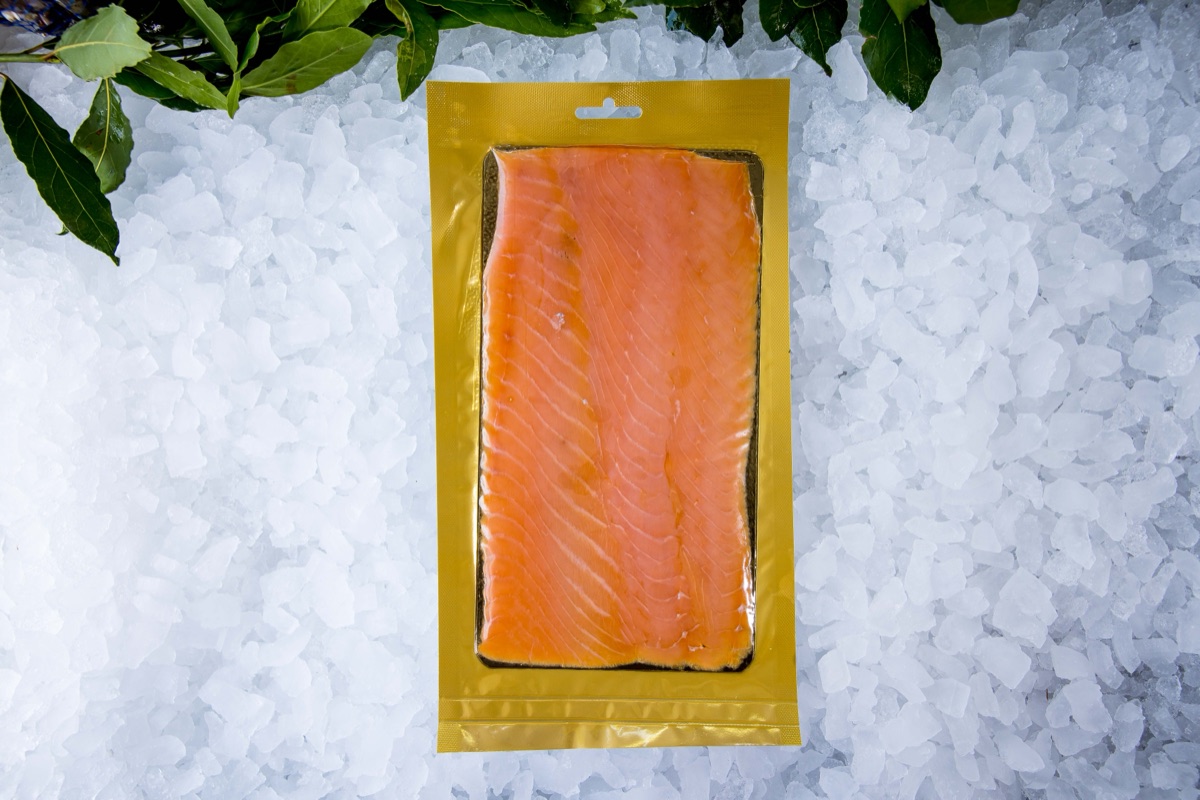
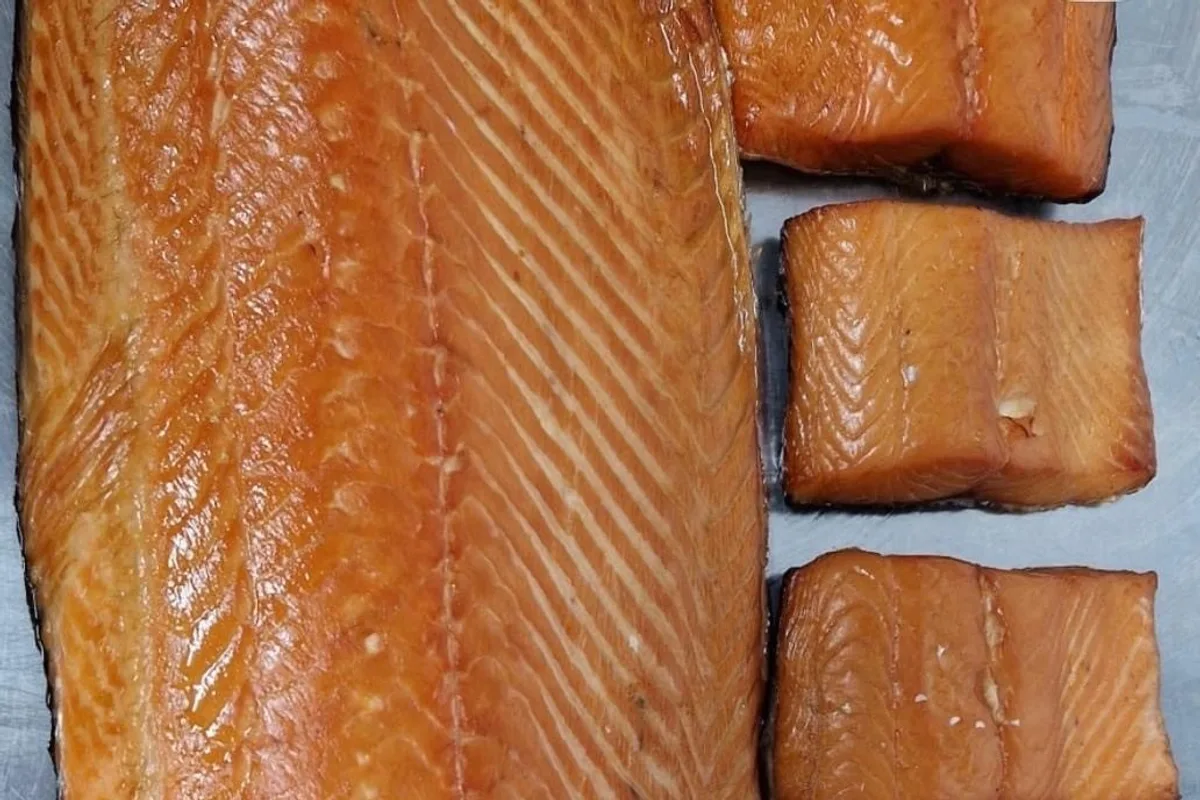
Loch Duart salmon fillets, portions, steaks, and whole sides, all cut to order. Plus our own home smoked salmon, cured and smoked here in Poole over locally sourced wood chippings, with just fish, salt and smoke, and hand-sliced fresh. Free delivery across all BH postcodes, £40 minimum order.
From Our Counter
Buy Salmon From Parkstone Fisheries
Fresh, prepared to your specification, and delivered across all BH postcodes by refrigerated vehicle.
Salmon: Frequently Asked Questions
Is Loch Duart salmon better than other Scottish salmon?
Yes, and we sell it specifically because of that. Loch Duart farms at a much lower stocking density than mass-market producers, which means the fish swim more, develop firmer flesh, and have a deeper colour. They're RSPCA Assured and fallow their sites between cycles, which is rare in the industry.
What's the difference between farmed and wild salmon?
Wild Atlantic salmon is paler, leaner, and has a more pronounced flavour. It's also vanishingly rare and expensive. Most 'wild salmon' you'll see in supermarkets is wild Pacific salmon, which is a different species. Good farmed salmon (like Loch Duart) is what most home cooks should be buying.
Why is salmon pink?
Wild salmon get their colour from eating crustaceans and krill, which contain a pigment called astaxanthin. Farmed salmon get the same pigment added to their feed. Without it, farmed salmon would be grey. Loch Duart's salmon eat a natural diet that gives them a deep, natural pink.
How do I cook salmon without overcooking it?
The biggest mistake people make with salmon is cooking it like cod. Salmon is oily and dries out fast. Aim for medium: slightly translucent in the centre, about 50-55°C internal. Pan-fry skin-side down for 4 minutes, flip for 1-2, and let it rest. The flesh should flake but still look juicy.
Explore More Species
Mackerel
Local, sustainable, and one of the best-value fish you can buy: origin, season, and how to cook a proper mackerel
Read guide →Bass
Wild South Coast bass and farmed bass from Greece and Turkey: origin, season, sustainability, and the proper way to cook it
Read guide →Cod
Britain's favourite white fish, broken down properly: origin, season, sustainability, and how to cook it well at home
Read guide →Poole's Fishmonger Since the 1920s
Order Fresh Fish Today
Browse our shop online, call us on 01202 747661, or visit us at 12 Bournemouth Road, Poole.